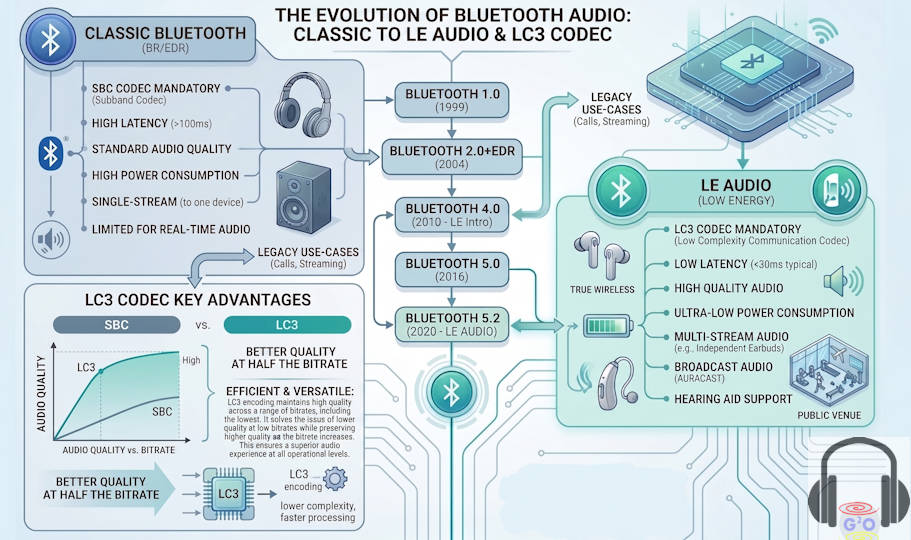
For over two decades, the wireless audio industry has been wrestling with a protocol that was never originally designed for high-fidelity music. When you listen to a podcast on standard Bluetooth earbuds and headphones, you are utilizing an architecture—Classic Bluetooth (BR/EDR)—that traces its roots back to 1999. It is power-hungry, prone to latency, and mathematically inefficient.
The introduction of Bluetooth 5.2 fundamentally changed this trajectory. By taking the Low Energy (LE) radio state—which was previously restricted to simple, intermittent IoT data like smartwatch heart rates—and re-engineering its MAC (Media Access Control) layer to support continuous audio, the Bluetooth Special Interest Group (SIG) executed the largest architectural rewrite in the protocol's history.
If you want Bluetooth LE Audio explained beyond the marketing bullet points, you must look at the protocol stack. In this technical deep-dive, we will dissect the failure points of Classic Bluetooth, the implementation of Isochronous Channels, the mathematical superiority of the LC3 codec, and how the new Bluetooth LE Audio architecture finally solves the master-slave problem that has plagued True Wireless Stereo (TWS) earbuds for years.
1. The Breaking Point: LE Audio vs Classic Bluetooth
To understand why LE Audio was necessary, we must understand the fundamental flaws of the Advanced Audio Distribution Profile (A2DP) running over Classic Bluetooth (Basic Rate / Enhanced Data Rate, or BR/EDR).
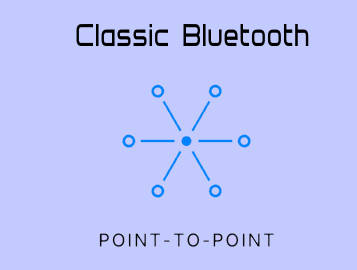
Classic Bluetooth operates on a connection-oriented “Piconet” topology. It relies on an asynchronous, polling-based data transfer method. When your phone sends an audio packet to your earbuds, it must wait for an Acknowledgment (ACK) packet to confirm receipt. If the 2.4 GHz spectrum is crowded (by Wi-Fi routers or microwaves) and the packet drops, the phone must re-transmit it.
To prevent the audio from stuttering during these re-transmissions, A2DP requires a massive audio buffer at the receiver (the earbud or headphone). This buffer is the primary source of Bluetooth latency, frequently introducing a delay () of 150 ms to 250 ms, making it virtually useless for competitive gaming or real-time video editing.
Furthermore, Classic Bluetooth is incredibly power inefficient. Maintaining the BR/EDR radio link requires a constant, high-current draw, which is why early wireless earbuds struggled to surpass three hours of battery life.
The LE Audio vs Classic Bluetooth debate is not an iterative comparison; it is a complete structural replacement. LE Audio discards the BR/EDR radio completely, shifting continuous, high-bandwidth audio streams onto the ultra-low-power LE radio state.

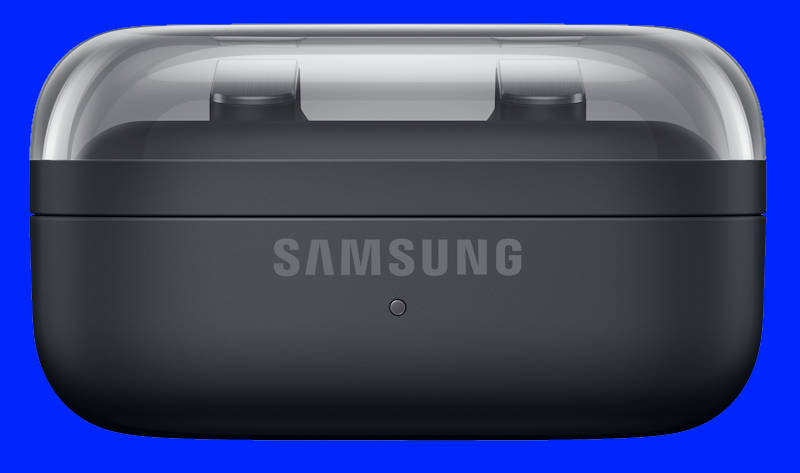
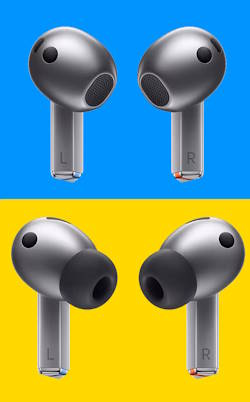
![Samsung Galaxy Buds 4 (2026) AI True Wireless Bluetooth Earbuds + $20 Gift Card, Noise Cancelling, Hi-Res Audio, 1-Way Speaker, New Fit, IP54, Live Translation, Black [US Version, 2 Yr Warranty]](https://m.media-amazon.com/images/I/31lBrdEkiML._SL160_.jpg)




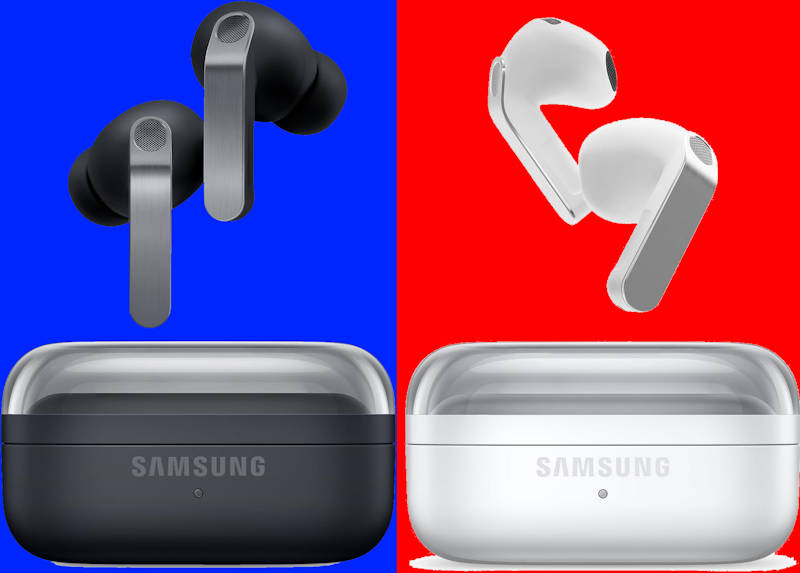
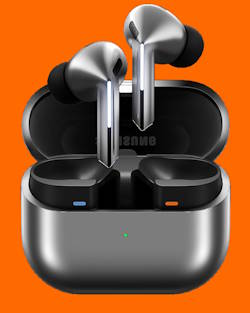
![Samsung Galaxy Buds 4 Pro (2026) AI True Wireless Bluetooth Earbuds + $30 Gift Card, Hi-Res Audio, 2-Way Speaker, ANC 2.0, Optimized Comfort, IP57, Live Translation, Black [US Version, 2 Yr Warranty]](https://headphoneguidepro.com/wp-content/plugins/aawp/assets/img/placeholder-large.jpg)